
Divisions Overview
At the core of our business lies a commitment to innovation, performance, and environmental responsibility.
We deliver advanced chemical and biological solutions that help industries operate efficiently, conserve resources, and minimize their environmental footprint.
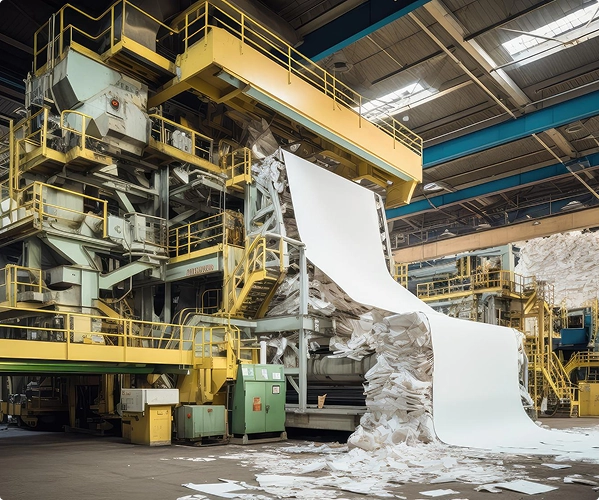
The pulp and paper industry faces increasing challenges — from cost pressures and quality demands to sustainability goals and regulatory compliance.
We help mills achieve superior sheet quality, higher productivity, and lower environmental impact through our comprehensive portfolio of chemical solutions.
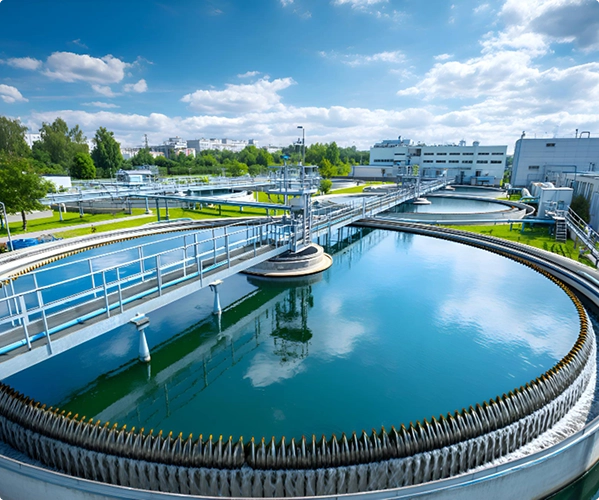
Water is at the heart of every industry — and managing it efficiently is critical for sustainable growth.
We design and deliver comprehensive effluent and wastewater treatment programs that not only ensure compliance but also help industries reuse and recycle water effectively.
Enzymes are nature’s most powerful catalysts — and we harness their potential to make industrial processes cleaner, faster, and more sustainable.
Our Enzyme Solutions Division provides high-performance enzyme formulations designed for specific industrial applications.
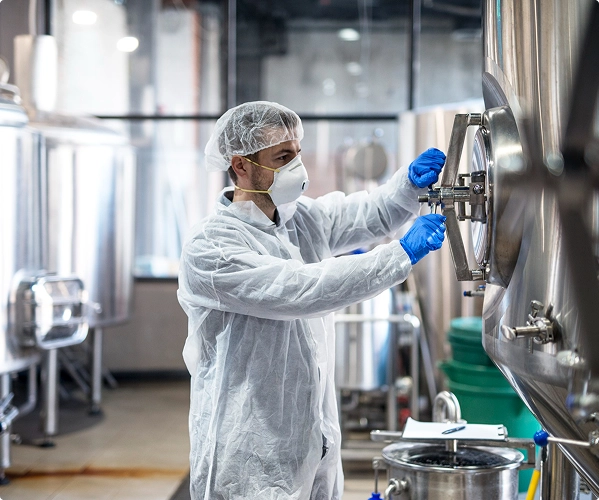
By combining biotechnology, chemistry, and process engineering, we help manufacturers transition toward greener, more efficient operations without compromising on quality or performance.
Technical Services & Partnerships
We believe great chemistry goes beyond products.
Our experts collaborate closely with clients to understand process challenges, conduct trials, and develop tailor-made solutions.
Process audits and performance analysis
On-site technical support and operator training
Data-driven optimization using real-time monitoring
Continuous improvement through innovation partnerships
Frequently Asked Questions
Enzyme-based solutions are ideal for industries like pulp & paper, textiles, food & beverages, chemical processing, and bioenergy — anywhere cleaner, more efficient, and sustainable processing is needed.
Unlike traditional chemicals, enzymes are biodegradable, work under mild conditions, and target specific reactions, reducing energy consumption and wastewater load.